Ardilla Font: A Classic Calligraphy Script for Digital Design
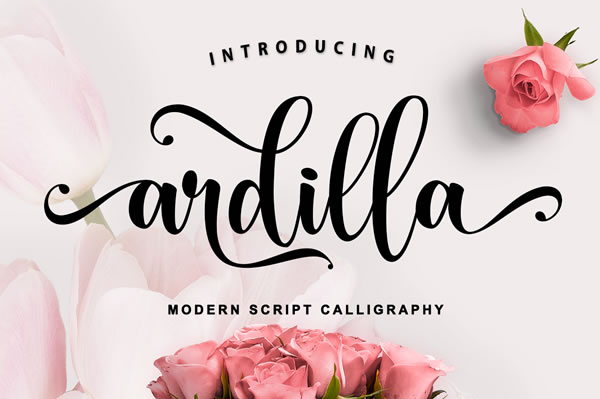
For web designers and digital creators crafting compelling online experiences, the choice of typography is a foundational design decision. Selecting a font that conveys the right personality, ensures readability, and builds visual hierarchy is critical. Ardilla Font enters this space as a handwritten script font with a classic calligraphy style, offering a smooth, elegant aesthetic perfect for injecting warmth and personal touch into digital projects.
Using Ardilla Font for Wedding Websites and Elegant Branding
The inherent classic calligraphy style of Ardilla Font makes it an ideal candidate for projects that require a sense of elegance, celebration, or personal connection. For a wedding planning website or an online store for boutique stationery, the Ardilla Font can define the entire brand tone. Use it in the hero section headline of a landing page for a wedding venue or as the decorative accent on digital invitations sent via email. The font's handwritten charm immediately communicates care and attention to detail, which are qualities that build trust and emotional engagement with visitors.
Ardilla Font in Website Headers and Hero Sections
Implementing Ardilla Font effectively starts with high-impact areas. In a website header or hero section, this classic calligraphy script can serve as the primary title font. Its smooth flow creates an inviting first impression, guiding the user's eye and establishing the site's personality. For a creative portfolio, a coaching website, or a brand-focused web experience, using Ardilla Font for the main headline instantly sets a personal, artful tone. It's particularly effective when paired with a clean, simple sans-serif font for the supporting subheadline and body copy, creating a clear visual hierarchy that is both beautiful and functional.
Improving Digital Readability with Ardilla Font
While a handwritten script font like Ardilla Font is naturally suited for display purposes, its application in digital environments requires mindful consideration for readability. For optimal results, use Ardilla Font primarily for short phrases: headlines, call-to-action buttons, section titles, or logo text. Its intricate classic calligraphy style is best appreciated at larger sizes. On mobile screens, ensure the font size is generous enough to maintain its character legibility. Against dark backgrounds or image overlays, provide sufficient contrast—a light-colored Ardilla Font on a dark hero image can be strikingly effective. Avoid using it for long paragraphs of body copy, as the decorative nature can hinder scanning behavior and reduce reading speed.
Ardilla Font for Conversion-Focused Landing Pages
A landing page's primary goal is conversion, and every element, including typography, must contribute. Ardilla Font can play a key role in this by enhancing visual appeal and reinforcing brand promise. Use it for the main value proposition headline on a product landing page or a course sales page. The font's lovely, classic calligraphy style can make a premium offer feel more personal and crafted. Similarly, on a call-to-action button for a limited-time promo, Ardilla Font can draw attention and make the action feel special. This application supports a consistent online identity where the font becomes a recognizable part of the brand's voice.
Ardilla Font for Online Store Banners and Promotional Graphics
The smooth Ardilla font works great for creating visual emphasis in commercial contexts. For an online store, seasonal sale banners, promotional graphics for social media, or featured product announcements can benefit from its handwritten charm. A banner proclaiming "Summer Collection" or "Limited Edition" in Ardilla Font feels more like a personal announcement than a generic ad. This approach helps digital product creators and marketers build a brand tone that is approachable and refined, differentiating their store from competitors using solely generic, corporate fonts.
Pairing Ardilla Font with Web-Friendly Typefaces
Successful web typography relies on thoughtful font pairing. Ardilla Font, as a distinct script font, should be balanced with highly readable typefaces for all other text. Pair it with a neutral, web-safe sans-serif font (like Open Sans or Inter) for body copy, navigation menus, and product descriptions. This combination ensures the decorative Ardilla Font shines in its designated roles without compromising the overall usability of the site. For a more editorial digital identity, a pairing with a simple serif font for body text can also work, creating a cohesive, classic feel across blog graphics or content sections.
Implementing Ardilla Font in Brand-Focused Web Experiences
For SaaS founders, bloggers, and creative entrepreneurs building a holistic brand online, Ardilla Font can be a cornerstone asset. Integrate it into your digital brand kit for use across website headers, blog post graphics, email newsletter headers, and even digital ad creatives. Its consistent application reinforces brand recognition. For instance, a lifestyle blogger could use Ardilla Font for all post title graphics, creating a signature, handwritten feel that readers associate with their content. This consistency builds a professional and cohesive online identity that feels intentionally designed.
Before integrating Ardilla Font into any client project or commercial website, verify its licensing terms. Many fonts in the promo category, like Ardilla Font, are freebies but may have specific restrictions for commercial use. Ensure the license permits use on websites, in digital templates, and for client work. Check for included file formats, such as OTF or TTF, and confirm webfont availability if you plan to use it via CSS for live websites. Understanding these practical details ensures you can use this lovely freebie confidently across all your digital design work, from landing pages to complete online stores.
Ultimately, Ardilla Font offers web designers a tool to infuse digital spaces with human touch. Its classic calligraphy style bridges the gap between traditional elegance and modern web design, providing a versatile asset for headers, accents, and brand statements. By applying it strategically—focusing on visual hierarchy, pairing it wisely, and respecting readability constraints—you can elevate your web designs, create more engaging user experiences, and craft a memorable online identity that resonates with visitors.